
What Is CRI (Color Rendering Index) and Why Should You Care?
CRI (Color Rendering Index) plays a major role in how lighting actually looks at events, often more than brightness alone.
Brightness grabs attention.
But accurate color creates impact.
If you have ever looked at event photos or videos and felt the lighting was flat, skin tones were off, or colors felt dull, brightness was probably not the problem. In many cases, the issue comes down to color accuracy, not output.
Understanding CRI helps DJs, event professionals, lighting designers, photographers, and content creators choose lighting that looks better in real environments, on camera, and in post-production. This article breaks down what CRI means, why it matters, and how high-quality lighting changes the way events are experienced.

What Is CRI (Color Rendering Index)?
CRI, short for Color Rendering Index, measures how accurately a light source reproduces colors when compared to natural daylight.
The scale runs from 0 to 100:
-
100 represents perfect color accuracy
-
Lower values indicate increasing color distortion
In simple terms, CRI tells you whether lighting shows colors as they truly are, or whether it subtly shifts them. Those shifts may not always be obvious in person, but they show up quickly in photos and video.

Why CRI Matters More Than Brightness
Many people assume brighter lighting automatically looks better. In reality, brightness without accurate color reproduction often yields harsh, unflattering results.
Lighting with poor color quality can:
-
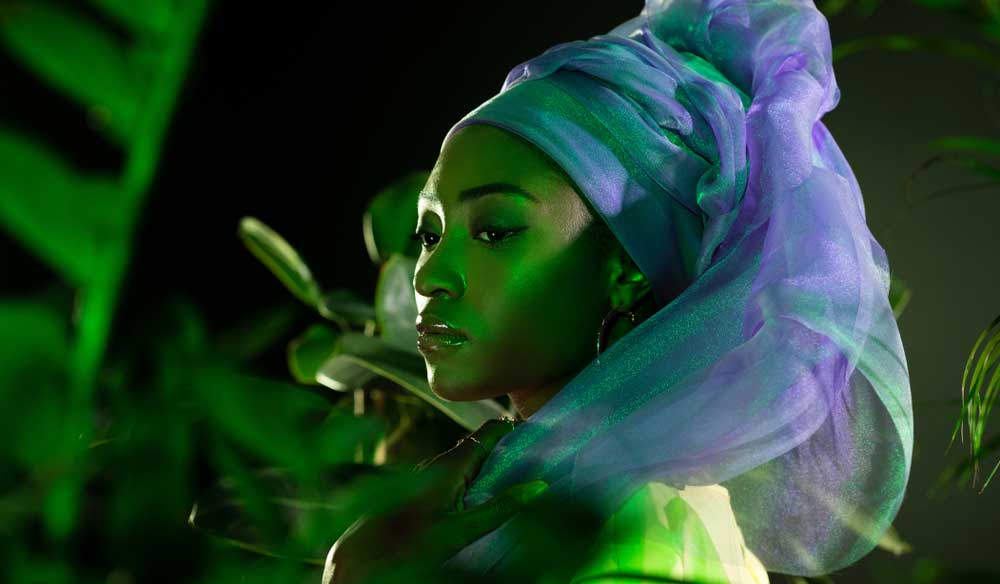
Make skin tones appear gray, green, or washed out
-
Flatten vibrant colors
-
Cause décor and branding to look different on camera than in real life
High-quality lighting with strong color fidelity preserves detail, depth, and realism.
This matters most for:
-
Weddings and private events
-
Corporate and brand activations
-
Live streaming and video production
-
Photography and social media content
-
Venues aiming for a premium atmosphere
The Real-World Impact of Poor Color Accuracy
Most people have experienced low-quality color rendering without realizing it.
Think about:
-
Guests looking washed out in event photos
-
Décor colors appear muted or lifeless
-
Food and drinks look unappetizing under the lighting
-
Video footage that feels flat, even with high-end cameras
These issues usually come from lighting quality, not from the camera or the person behind it. Lighting sets the foundation for everything that follows.
Understanding CRI Numbers in Practical Terms
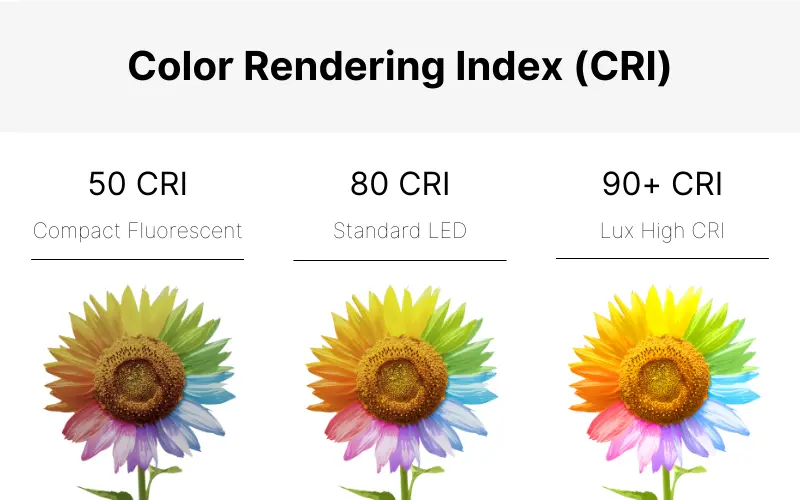
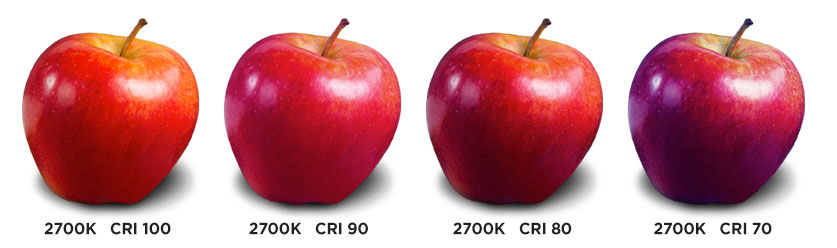
Not all CRI ratings deliver the same results. Here is a simple breakdown:
Below 70
Colors appear inaccurate and lifeless
Around 80
Acceptable for basic use, but not ideal for events or content creation
90 and above
Professional-grade lighting with accurate, vibrant color
If visual quality matters, lighting in the 90-plus range consistently performs better across photography, video, and live environments.
Why High-Quality Color Rendering Stands Out at Events
Lighting with strong color fidelity does more than look better. It changes how an event feels.
With high-quality color rendering:
-
Skin tones look natural
-
Whites stay white
-
Colors remain vibrant without oversaturation
-
Photos and videos require less correction
-
The entire space feels more polished
This is why photographers, videographers, and experienced event professionals consistently prefer fixtures built for accurate color reproduction.
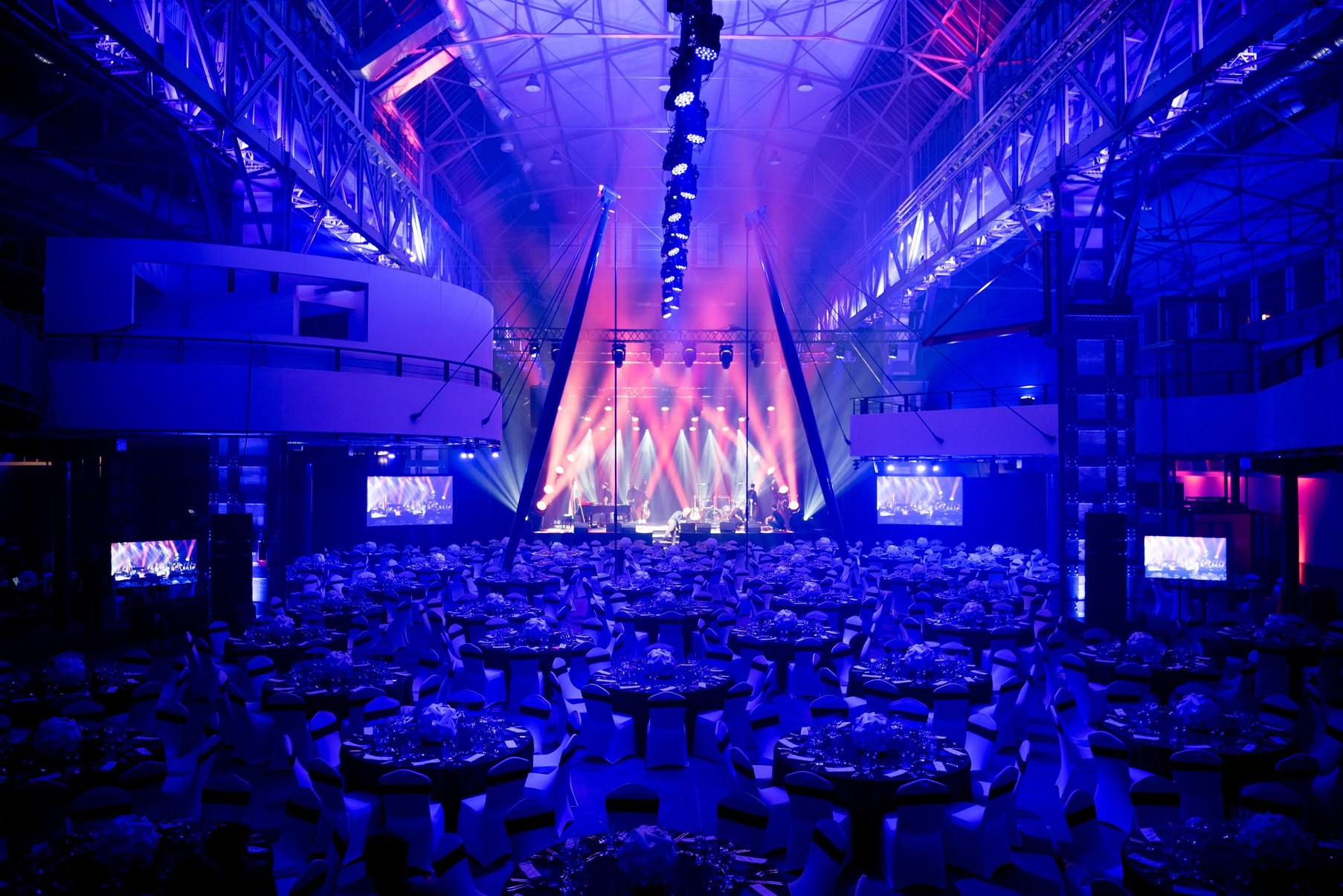
How Ape Labs Uses Color Accuracy to Its Advantage
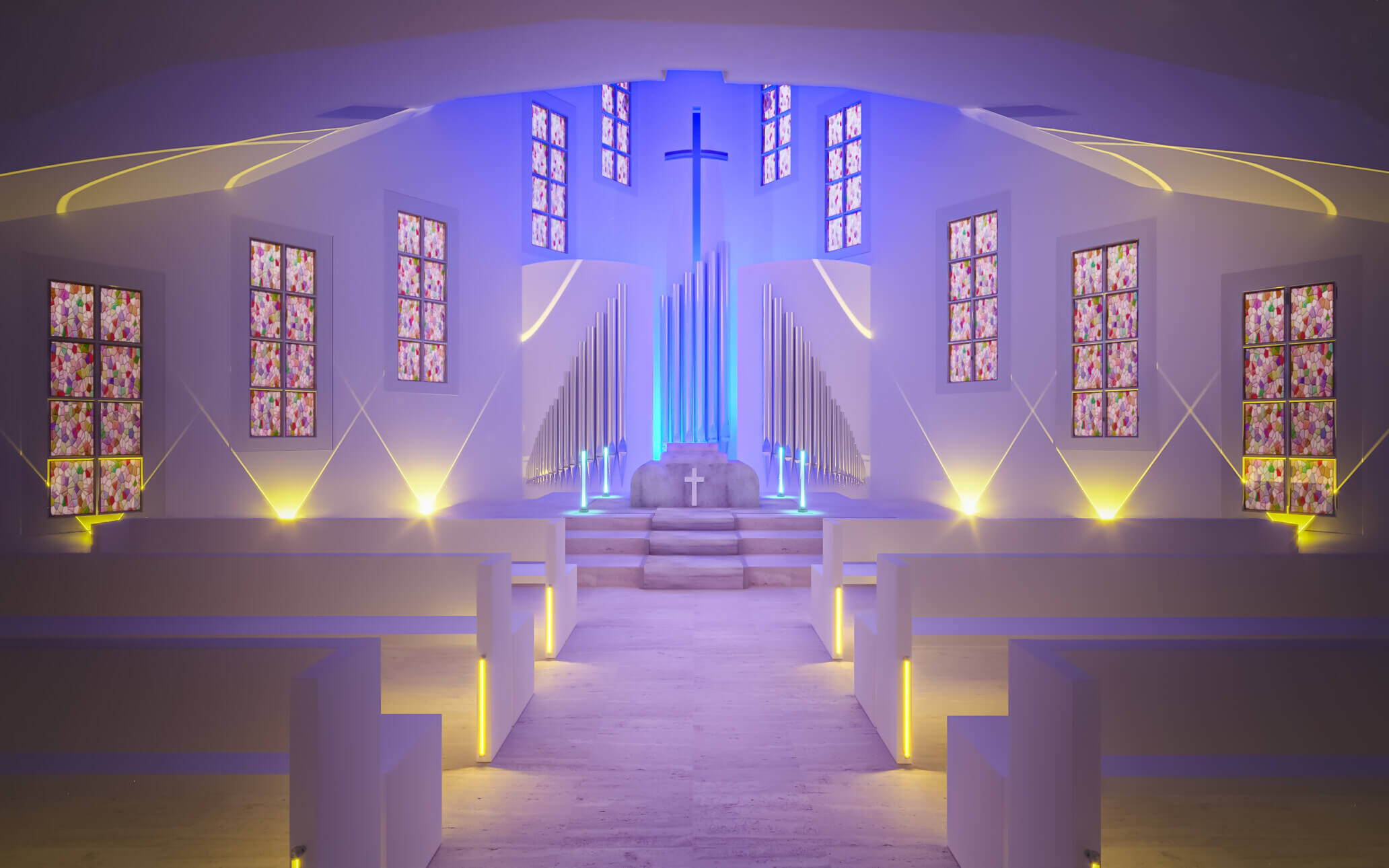
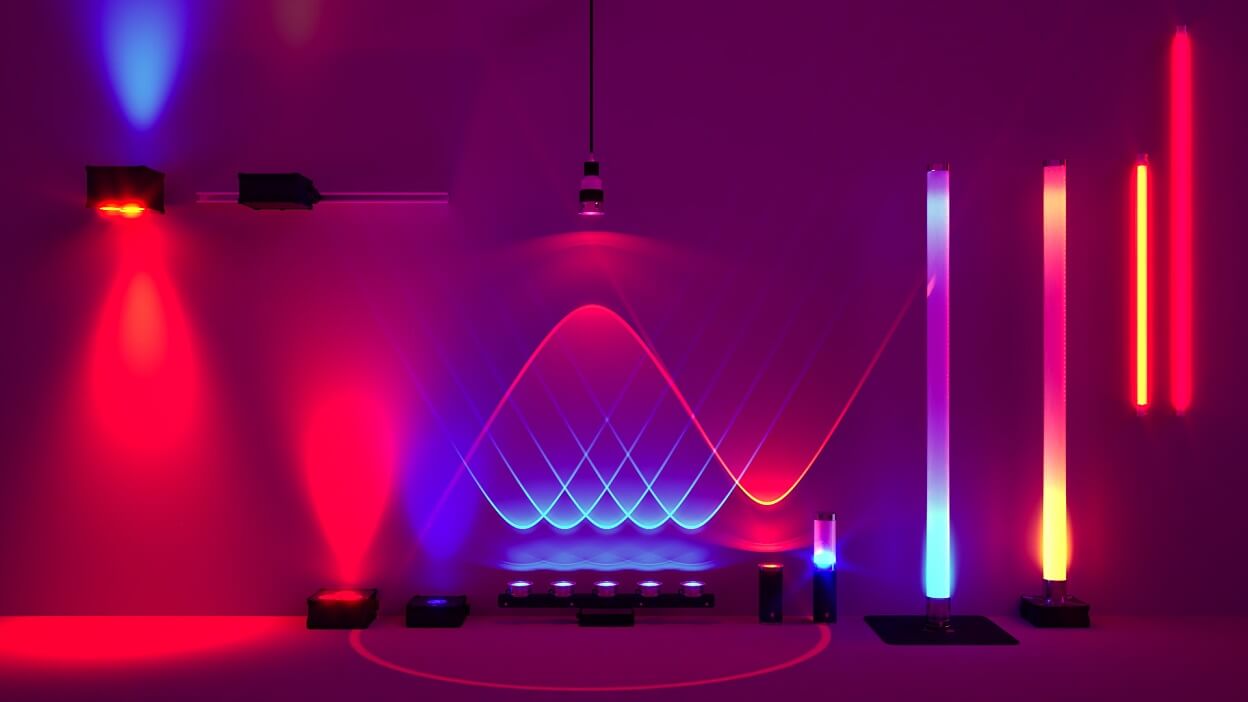
One reason Ape Labs lighting stands out in real-world environments is its focus on high color accuracy, typically in the 90-plus range across most fixtures.
That means what you see at the event is what shows up in photos and video afterward.
For DJs and event professionals, this matters because:
-
Clients notice the difference, even if they cannot explain it
-
Event photos and videos look better without extra editing
-
The overall brand experience feels more intentional
Color accuracy is not just a spec. It directly affects how your work is perceived.
Who Should Care About Lighting Color Accuracy?
This topic matters far beyond lighting designers.
You should care if you are:
-
A DJ providing lighting for events
-
An event professional focused on guest experience
-
A photographer or videographer captures moments
-
A venue owner creating atmosphere
-
A planner responsible for visual presentation
-
A brand activating in live environments
If visuals matter, lighting quality matters.
CRI as Part of a Bigger Lighting Strategy
Color accuracy works best when paired with:
-
Proper brightness levels
-
Thoughtful fixture placement
-
Clean control systems
-
Balanced color temperature
For a deeper dive, TheDJsGuru.com also covers DMX lighting control and event lighting best practices that complement this topic.
CRI is not a buzzword. It is a foundation.
Final Thoughts
Color accuracy shapes how people remember an event.
High-quality lighting delivers:
-
Better photos
-
Better videos
-
Better atmosphere
-
Better client perception
Once you experience lighting that renders color correctly, it becomes difficult to accept anything less.
If you want to explore lighting solutions built with accurate color at their core, learn more about Ape Labs at DJSupplyStore.com and see how professional-grade lighting changes the way events look and feel.
